Game Geek T-shirt Design: A Designer’s Review
As someone who has spent years digitizing patterns and reviewing machine embroidery design files for commercial use, I approach every new asset with a critical eye. It is not just about whether the image looks good on a screen; it is about how that Graphics file translates into thread, tension, and texture on actual fabric. Recently, I evaluated the Game Geek T-shirt Design, a piece categorized under Print Templates, to determine its viability for real-world embroidery projects. Here is my practical assessment for fellow designers, Etsy sellers, and craft entrepreneurs.
First Impressions and Visual Personality
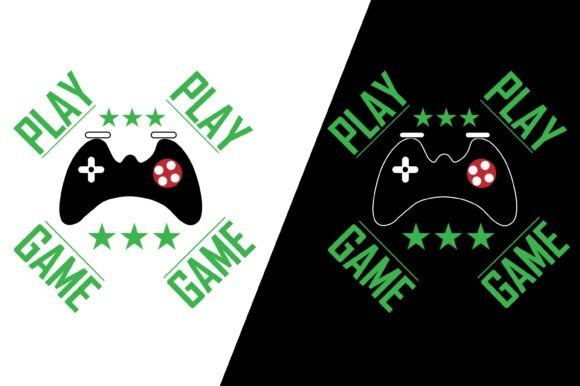
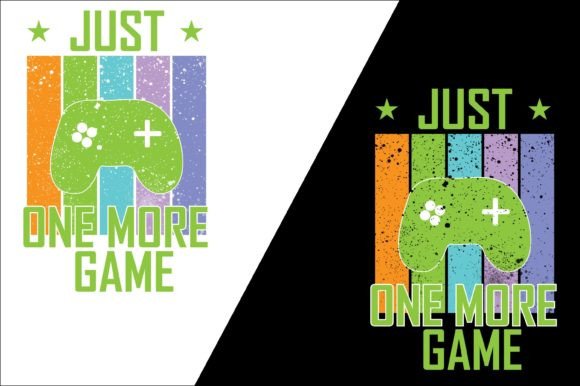
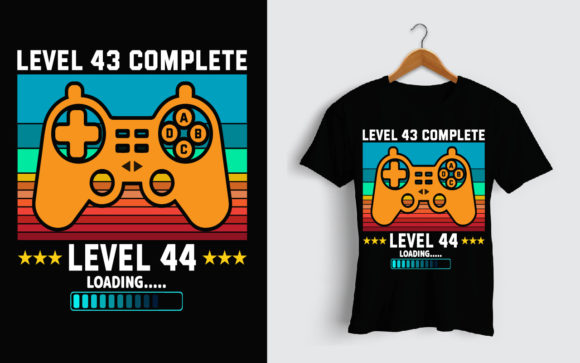
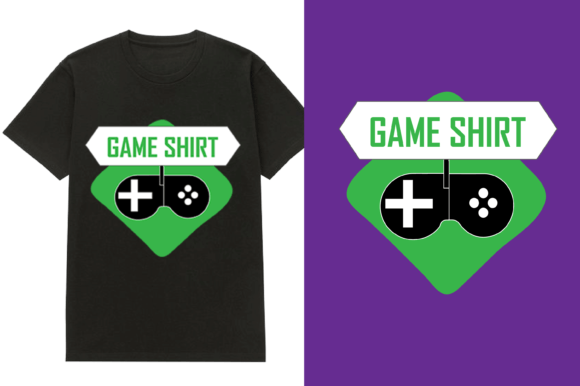
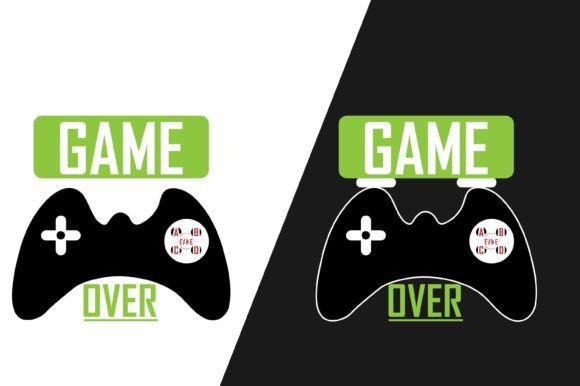
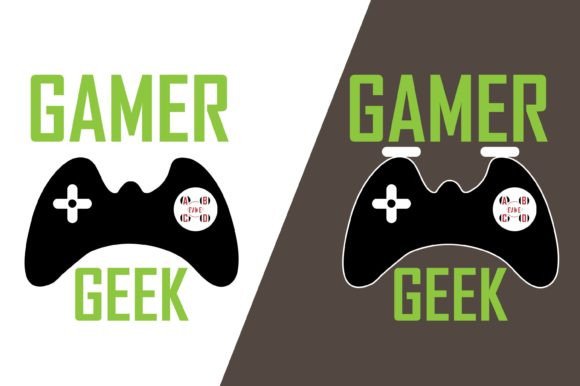
The initial view of the Game Geek T-shirt Design suggests a bold, retro-inspired aesthetic that taps directly into the nostalgia of classic arcade culture. The layout appears clean, with defined shapes that are crucial for successful stitching. For an embroidery designer, clarity is king. Complex gradients or overly thin lines often fail in translation, but this design seems to prioritize strong silhouettes. The mood is playful yet professional, making it suitable for a wide demographic ranging from teenage gamers to adult collectors of vintage gaming memorabilia.
When considering this as a digital embroidery file, the visual weight feels balanced. It does not appear overly dense, which is a common pitfall in gaming-themed graphics where pixel art can sometimes translate into excessive stitch counts. This balance suggests that the design could work well with a combination of satin stitch borders and fill stitch interiors, providing a textured look without becoming stiff or heavy on the garment.
Real-World Application: From Screen to Stitch
To truly test the value of this design, I imagined several production scenarios. Let us consider a custom order for a local boutique specializing in custom apparel. A client requests a personalized hoodie for their partner’s birthday. The Game Geek T-shirt Design serves as an excellent centerpiece for sweatshirt embroidery. Because sweatshirts have a thicker pile, the design needs enough substance to stand out. The bold lines in this graphic would likely hold up well against the fuzzy texture of fleece, ensuring the motif remains visible and crisp.
Another viable application is in the creation of an embroidered patch. Patches are a high-margin item for many Etsy seller accounts and small shop owners. If this design is scaled down appropriately, it could function as a collectible badge for backpacks or jackets. However, one must be cautious with the hoop size. If the design includes tiny details intended for large-format printing, those elements might get lost when reduced to a two-inch patch. I recommend testing the scalability by viewing the design at various zoom levels before committing to production.
For those interested in home goods, this graphic could also adapt to a tote bag design. Canvas bags provide a stable, woven surface that handles medium-density stitching beautifully. The contrast between colorful threads and natural canvas can create a striking handmade product that appeals to gift buyers looking for something unique. Whether it is a personalized gift for a holiday or a standard inventory item for a craft business, the versatility of the theme allows for broad market appeal.
Technical Considerations and Fabric Constraints
While the aesthetic is strong, technical execution requires careful planning. One major consideration is the stitch density. Gaming designs often feature blocky elements that can become rigid if stitched too densely. If you are working with stretchy fabrics, such as jersey knits for t-shirts, excessive density can cause puckering. In these cases, using a proper stabilizer is non-negotiable. A cut-away stabilizer would provide the necessary support to keep the design flat and prevent distortion after washing.
Color selection is another critical factor. The Game Geek T-shirt Design likely relies on vibrant hues to capture the energy of gaming culture. However, when translating this to thread, you must consider thread colors availability and contrast. On dark fabrics, lighter outlines may be necessary to define the shape, whereas on light fabrics, darker borders can add definition. I always advise running a test stitch-out on scrap fabric of the same type and color as your final product. This step reveals potential issues with thread breaks, nesting, or registration errors before you risk ruining a finished garment.
Additionally, consider the limitations of curved surfaces. If you plan to apply this design to a cap, the curvature of the crown can distort wide designs. You may need to adjust the width or break the design into smaller sections if it exceeds the typical cap frame dimensions. For baby embroidery items, ensure that the back of the stitching is soft and free of harsh knots, as sensitive skin requires a higher standard of finish quality.
Commercial Viability and Brand Consistency
For commercial embroidery professionals, the consistency of the design file is paramount. Does it produce the same result on different machines? While I cannot verify specific machine compatibility without testing the actual file, a well-digitized design should minimize jump stitches and optimize thread paths. This efficiency reduces production time, which directly impacts profitability for small business owners.
Using high-quality design assets like this enhances brand perception. Customers associate clean, professional stitching with reliability. A sloppy or poorly digitized design can undermine trust, whereas a crisp, well-executed Game Geek T-shirt Design can become a signature look for your shop. It helps in building a cohesive brand identity, especially if you are targeting the gaming niche exclusively.
Furthermore, the ability to create effective printable mockup images is essential for online sales. Since this originates from a Print Templates category, it likely scales well for digital previews. High-resolution mockups showing the design on various products—such as aprons, pillow covers, or tea towels—can significantly boost buyer engagement. Visualizing the finished product helps customers make confident purchasing decisions.
Practical Notes for the Embroiderer
- Test Before Production: Always stitch a sample on similar fabric to check tension and density.
- Check Licensing: Verify whether the file allows for commercial use if you intend to sell finished items. The description mentions custom merch creation, but explicit license terms should be confirmed.
- Contrast Matters: Ensure your thread choices provide sufficient contrast against the fabric background for maximum visibility.
- Stabilizer Selection: Match your stabilizer to the fabric weight. Heavier fabrics may need less support, while lightweight or stretchy materials require robust stabilization.
- Detail Inspection: Zoom in on the digital file to identify any potential trouble spots, such as extremely small text or tight corners that may not stitch out cleanly.
In conclusion, the Game Geek T-shirt Design presents a promising opportunity for embroiderers looking to expand their portfolio into the gaming niche. Its strength lies in its bold visual language and potential versatility across various products, from holiday embroidery gifts to everyday small shop product lines. By paying attention to technical details like stitch density, fabric choice, and stabilization, you can transform this digital graphic into a high-quality, tangible asset that resonates with customers. As with any new tool, the key to success is experimentation and refinement. Take the time to understand how this design behaves in your specific setup, and it can become a reliable staple in your creative arsenal.