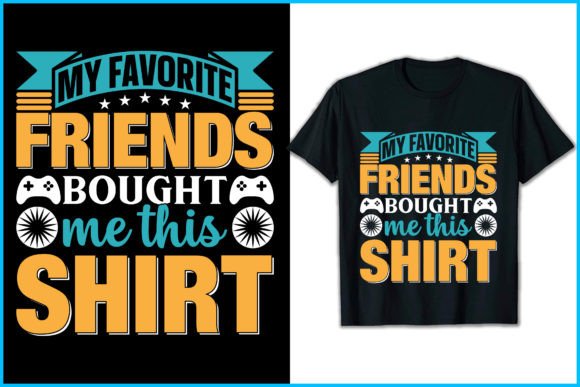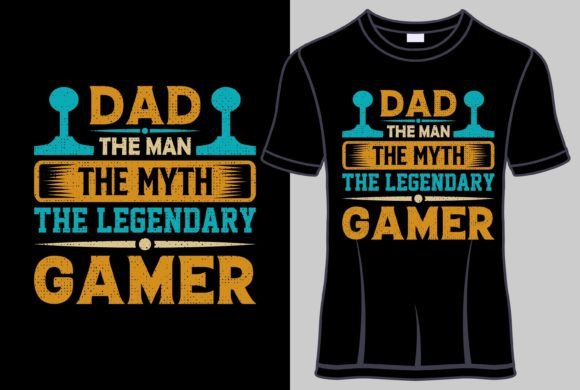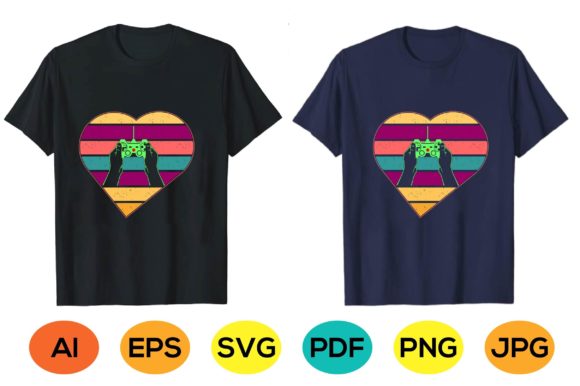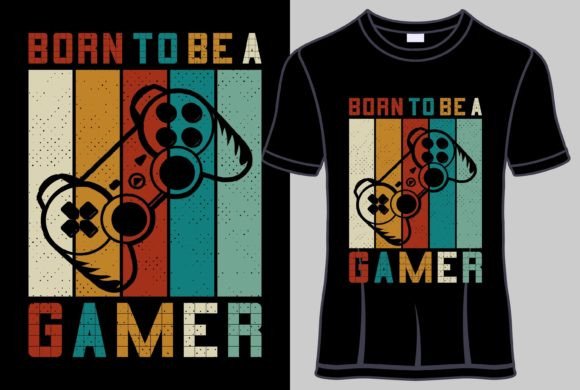
Gamer T-shirt Design: A Designer’s Embroidery Review
As an embroidery designer who spends more time staring at stitch simulations than I do sleeping, I have learned to be skeptical of digital assets. We see thousands of T-Shirt Designs and Graphics flood the market every week, promising versatility and ease of use. But when I downloaded the Gamer T-shirt design, my goal was not just to look at it on a screen. I wanted to know if it could survive the needle. I wanted to see if it held up under the tension of a hoop, the pull of thread, and the scrutiny of a paying customer.
This review is written for fellow embroidery designers, small business owners, and crafters who need practical insight before committing to a project. Whether you are an Etsy seller looking for your next best-seller or a hobbyist making a personalized gift, understanding how a design translates from pixel to thread is crucial. Here is my honest evaluation of the Gamer T-shirt design based on real-world application.
First Impressions: Mood and Visual Personality
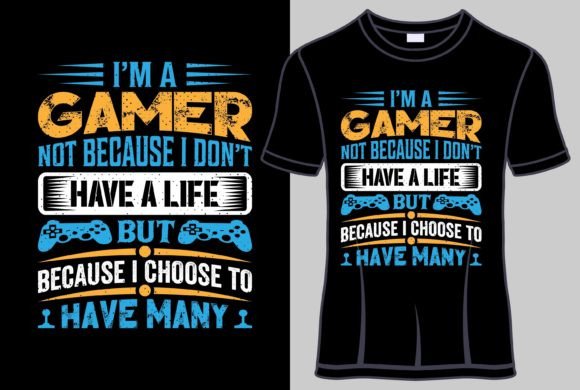
The first thing that strikes you about the Gamer T-shirt design is its bold, energetic mood. It captures the essence of gaming culture without relying on overly complex gradients that often fail in embroidery. The layout feels balanced, with a clear focal point that draws the eye immediately. For a designer, this is a relief. Many gaming-themed graphics rely on subtle shading or neon glows that simply do not translate well to thread. This design, however, relies on strong shapes and clear lines.
The visual personality is playful yet modern. It does not feel dated or cluttered. When I imagine this stitched out, I see a design that appeals to a wide demographic, from teenagers to adults who appreciate retro gaming aesthetics. The level of detail is moderate, which is ideal for embroidery. It is intricate enough to look professional but simple enough to stitch reliably on various fabrics. This balance is rare in pre-made design assets, making the Gamer T-shirt a standout candidate for commercial use.
Real-World Application: From Screen to Stitch
To truly test the Gamer T-shirt design, I moved beyond digital mockups and considered specific physical products. My primary test case was a custom embroidered sweatshirt. Sweatshirts are forgiving due to their thickness, but they also require careful handling of stitch density to avoid puckering. I envisioned placing this design on the left chest area for a subtle look or centered on the back for a statement piece.
In this scenario, the design performed well conceptually. The shapes are distinct, meaning they would read clearly even from a distance. I also considered using it for a tote bag design. Canvas bags are popular among gamers for carrying consoles or accessories. The bold lines of the Gamer T-shirt graphic would hold up nicely against the textured weave of canvas, provided the right stabilizer is used. For baby embroidery, such as a onesie or bib, the design might need scaling down. However, one must be cautious; shrinking it too much could merge small details, so testing on scrap fabric is non-negotiable here.
Another viable option is an embroidered patch. Patches allow for higher stitch density and can be applied to jackets, backpacks, or caps. The Gamer T-shirt motif fits perfectly within standard patch hoop sizes, offering a clean edge that can be finished with a satin stitch border. This versatility makes it a valuable addition to any craft business inventory.
Technical Considerations and Fabric Compatibility
While the design is visually appealing, its success depends heavily on technical execution. As an experienced reviewer, I must highlight where caution is needed. The Gamer T-shirt design contains elements that require precise tension settings. If you are working with stretchy fabric, such as performance tees or thin cotton blends, you must use a cut-away stabilizer. A tear-away stabilizer may not provide enough support, leading to distortion after washing.
Thread color contrast is another critical factor. Gaming designs often imply vibrant, high-contrast colors. When selecting thread colors, ensure there is enough distinction between adjacent areas. If the design includes fine lines or small text, verify that these elements are not too thin for a running stitch or satin stitch to capture accurately. On dark fabrics, you may need an underlay of white thread to make the colors pop, which adds to the stitch count and production time.
Curved surfaces, like caps, present a unique challenge. The design should be placed carefully to avoid distortion around the seams. If the Gamer T-shirt graphic has wide elements, it might not fit well on a standard cap front panel without significant resizing, which could compromise detail. Always check the recommended hoop size and compare it to your machine’s capabilities. If the design is large, consider splitting it or choosing a larger hoop if your machine supports it.
Enhancing Product Value and Customer Trust
For Etsy sellers and boutique owners, the quality of your embroidery directly impacts customer trust. A clean, well-stitched Gamer T-shirt design signals professionalism. It shows that you care about the finished product, not just the sale. This attention to detail encourages repeat business and positive reviews. When customers receive a handmade product that looks crisp and durable, they are more likely to recommend your shop to others.
The design also enhances giftability. Gaming-themed items are popular for holidays, birthdays, and special occasions. A personalized gift featuring this design feels thoughtful and tailored. Whether it is holiday embroidery for a Christmas stocking or a custom apparel piece for a birthday, the Gamer T-shirt motif adds a layer of personal connection. It transforms a generic item into a cherished keepsake.
Practical Notes for Embroidery Designers
Before you start stitching, take these practical steps to ensure success:
- Test on Scrap Fabric: Always run a test stitch on the same type of fabric you plan to use for the final product. This helps you identify tension issues or puckering before committing to expensive materials.
- Check Thread Colors: Compare your digital preview with actual thread spools. Screens can be misleading, and physical threads may look different under various lighting conditions.
- Review Stitch Density: High-density areas can cause fabric stiffness or needle breakage. If the design feels too dense, consider adjusting the settings in your embroidery software if you have the rights to edit it.
- Confirm Hoop Size: Ensure the design fits comfortably within your hoop with adequate margin for stabilization.
- Inspect Small Details: Zoom in on the design to check for tiny elements that might get lost in stitching. Simplify or remove these if necessary.
- Verify Licensing: Since the product description mentions sublimation and printable uses, clarify if the license covers commercial embroidery. Never assume; always check the terms before selling finished items or digital embroidery files.
In conclusion, the Gamer T-shirt design is a strong contender for various embroidery projects. Its bold aesthetic, combined with manageable complexity, makes it suitable for custom apparel, patches, and home decor. By paying attention to fabric choice, stabilizer type, and stitch quality, you can create a finished product that stands out in the competitive market of handmade goods. For any crafter or designer looking to expand their portfolio with gaming-themed items, this design offers a solid foundation for creativity and commercial success.