Review: Level 30 Gamer Birthday Design for Embroidery
As a designer who spends half my life digitizing and the other half staring at stitch-outs under a magnifying glass, I approach every new machine embroidery design with a mix of curiosity and skepticism. We have all been there: you download a file that looks crisp on the screen, only to watch it turn into a puckered mess on actual fabric. Today, I am taking a close look at the Level 30 Gamer Birthday T-Shirt Design. While the product description labels this as a printable sublimation design within the Print Templates and Graphics categories, my focus is strictly on how this visual asset translates when we move from digital pixels to physical thread.
First Impressions: The Vibe and Visual Personality
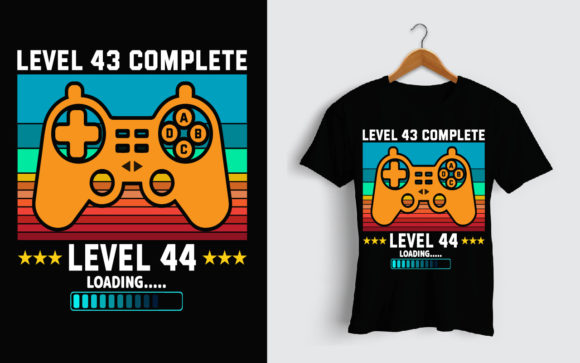
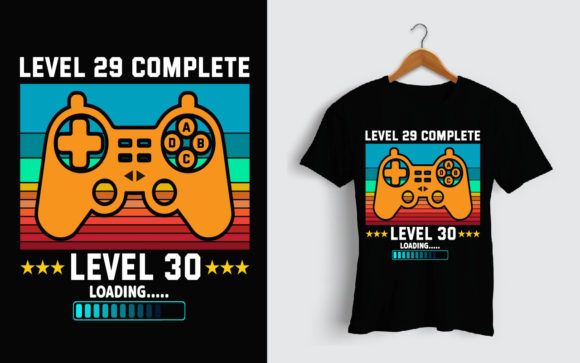
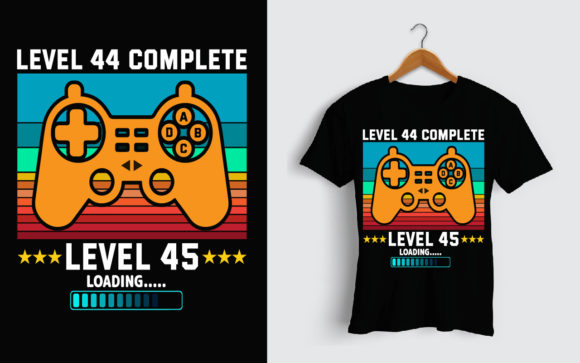
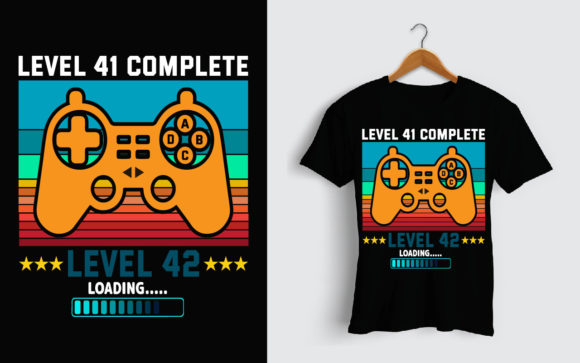
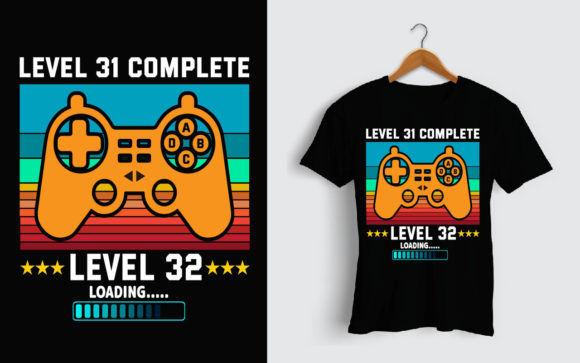
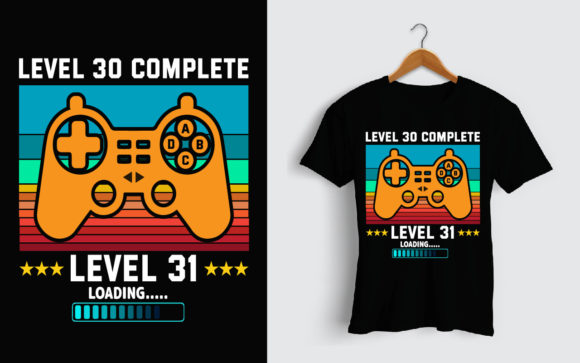
The first thing that strikes me about the Level 30 Gamer Birthday T-Shirt Design is its bold, retro-gaming aesthetic. It captures that specific nostalgia associated with reaching a milestone age, framing "Level 30" not as a decline, but as an achievement unlocked. For embroidery, this is promising. Bold themes usually translate well because they rely on strong shapes rather than fragile, hairline details that get lost in fabric texture.
The layout feels balanced, with a clear hierarchy that draws the eye to the central message. When I visualize this stitched out, I imagine it working best with high-contrast thread colors. The design’s personality suggests a fun, energetic mood, making it ideal for clients who want something playful yet meaningful. It does not scream "generic birthday"; it speaks directly to a specific hobbyist culture, which adds immediate value to the finished product.
Real-World Application: Beyond the T-Shirt
Let us talk about where this design actually lives in a real embroidery project. The title says "T-Shirt," but as crafters and Etsy sellers, we know versatility is key. I recently considered a similar concept for a custom order: a personalized gift for a husband turning thirty. Instead of a standard tee, I envisioned this on a heavyweight hoodie or a structured tote bag.
On a sweatshirt embroidery project, the design’s bold lines would hold up beautifully against the fleece texture. The thickness of the fabric provides a stable base, allowing the stitches to sit on top without sinking in. For a tote bag design, the graphic nature of the artwork would pop against canvas, creating a durable, everyday accessory that sparks conversation. It is also a strong contender for custom apparel lines targeting gamers, where brand consistency and niche appeal drive sales.
If you are running a small shop product line, this could easily become a staple for holiday embroidery gifts or year-round personalized gift options. The key is recognizing that while the source file may be a graphic intended for sublimation, the visual structure is robust enough to inspire a custom digitization or serve as a reference for applique work.
Technical Considerations for Stitching Success
Here is where we need to be realistic. Since this is listed under Graphics and Print Templates, it is crucial to clarify: is this a ready-to-stitch digital embroidery file, or is it a raster/vector image meant for printing? If you are planning to use this for stitching, you must ensure you have the correct format. If it is purely a graphic, you will need to digitize it or convert it using specialized software, paying close attention to stitch density.
Assuming you are adapting this design for embroidery, here are my technical notes:
- Hoop Size: Ensure your hoop size accommodates the full width of the "Level 30" text and any surrounding graphical elements. A 5x7 or 6x10 hoop is likely ideal to prevent re-hooping, which can cause alignment issues.
- Stitch Types: For the bold lettering, a satins stitch might work for smaller sizes, but for larger applications, a fill stitch with proper underlay is necessary to prevent distortion. Avoid using running stitch for large areas unless you want a sketchy, vintage look.
- Fabric Texture: Be cautious with thin or stretchy fabrics. The design’s solid areas could cause puckering if not properly stabilized. Always use a cut-away stabilizer for knit fabrics like t-shirts and sweatshirts.
- Detail Level: Check the small corners of the graphics. In embroidery, sharp corners often need to be slightly rounded or tapered to prevent thread breaks and bird nests.
Where to Use Caution
Not every surface is friendly to this type of bold, graphic design. I would hesitate to place this on a curved surface like a cap unless the design is specifically scaled down and digitized for caps. The stiffness of the fill stitches can warp the front panel of a hat if the density is too high. Similarly, avoid using this on dark, textured fabrics like heavy wool unless you are confident in your color contrast. A printable mockup can help you visualize this, but nothing beats a test stitch on scrap fabric.
If you are considering this for baby embroidery, reconsider the density. Babies have sensitive skin, and heavy stitch counts can feel scratchy. For infant items, consider simplifying the design or using an applique design technique where fabric pieces cover the bulk of the area, reducing the amount of direct stitching on the garment.
Boosting Product Value and Customer Trust
From a business perspective, the Level 30 Gamer Birthday T-Shirt Design has strong commercial potential. Niche designs sell because they speak directly to the buyer’s identity. When an Etsy seller or boutique owner offers a high-quality, well-executed version of this theme, it builds customer trust. It shows you understand their interests.
To maximize buyer engagement, present the design in context. Use high-quality photos of the embroidered item on a model or styled in a lifestyle setting. If you are selling design assets or finished goods, highlight the craftsmanship. Mention the type of thread used, the stability of the stitch-out, and the care instructions. This transparency elevates a simple handmade product into a premium item.
Final Verdict and Designer Notes
The Level 30 Gamer Birthday T-Shirt Design is a visually strong asset with clear appeal for the gaming community. However, its success in embroidery depends entirely on execution. Before you commit to a large batch of commercial embroidery orders or list it in your store, take these steps:
- Verify the File Type: Confirm if you are buying a graphic for printing or a true embroidery file. If it is a graphic, factor in the time and cost of digitizing.
- Test on Scrap: Always stitch a test sample on the same fabric you plan to use for production. Check for puckering, thread breaks, and registration.
- Check Licensing: Review the license terms carefully. Can you use this for commercial embroidery? Can you sell the finished items? Never assume; always read the fine print.
- Contrast Check: Test the design in black and white to ensure the shapes are distinct and readable without relying solely on color.
In conclusion, this design has the personality and structure to perform well in real-world projects, from embroidered patches to kitchen towel gifts, provided you respect the technical limits of your machine and materials. It is a solid choice for designers looking to add a playful, niche-specific item to their portfolio.