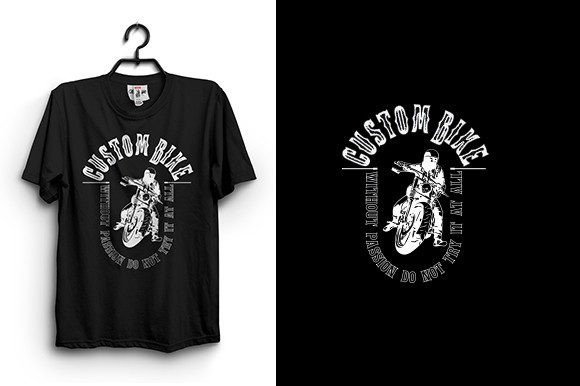
Reviewing the Custom Bike T Shirt Design for Embroidery
As a designer who has spent years translating digital graphics into tangible thread, I approach every new machine embroidery design with a mix of curiosity and caution. We have all seen files that look stunning on a screen but turn into a tangled mess under the needle. Today, I am taking a close look at the Custom Bike T Shirt Design, evaluating it not just as a piece of digital art, but as a functional asset for real-world production. Whether you are an Etsy seller looking to expand your apparel line or a hobbyist creating personalized gifts, understanding how this graphic translates to fabric is crucial.
First Impressions and Visual Personality
The first thing that strikes me about this Graphics file is its clean, adaptable structure. In the world of T-Shirt Designs, clarity is king. The motif features a stylized bicycle that balances detail with simplicity. For embroidery, this is a vital trait. Overly complex illustrations often require excessive stitch density, which can lead to puckering or fabric distortion. This design appears to maintain open spaces and clear lines, suggesting it will stitch out cleanly without requiring aggressive trimming or excessive stabilizer intervention.
The mood here is active and modern. It does not scream "vintage" nor does it feel overly childish. This versatility means it can sit comfortably in a boutique shop window or on a casual weekend hoodie. When I visualize this as a finished product, I see it appealing to cycling enthusiasts, urban commuters, and parents looking for active lifestyle themes for their children’s clothing. The visual personality is friendly yet professional, which builds immediate trust with potential buyers who value quality craftsmanship.
Real-World Application Scenarios
To truly test a design, you must imagine it in context. Let us consider a practical scenario: a local bike shop wants branded merchandise for their upcoming community ride. They need items that are durable, visible, and stylish. Using the Custom Bike T Shirt Design on a high-quality cotton tee is the obvious choice, but let us push further. Imagine this graphic embroidered on a canvas tote bag design. The sturdy texture of canvas holds fill stitch areas beautifully, giving the bike motif a substantial, premium feel. The contrast between the thread and the natural fabric would highlight the wheel spokes and frame details effectively.
Another strong candidate is sweatshirt embroidery. On fleece or French terry, this design could serve as a left-chest logo or a larger back print. Because the description notes that the design can be easily changed without losing quality, you have the flexibility to resize it for different garment types. A smaller version works perfectly for custom apparel like polo shirts, while a scaled-up version could anchor a holiday embroidery project, perhaps paired with seasonal colors for a winter gift guide.
For those running a craft business, consider the potential for embroidered patch creation. Patches are incredibly popular right now. If you digitize this with a satin stitch border, it becomes a versatile accessory that customers can iron onto jackets or bags. This expands the utility of the single digital embroidery file into multiple revenue streams.
Technical Considerations for Stitching
While the aesthetic is promising, technical execution determines success. When working with any new embroidery file, I always advise checking the stitch types. Does the bike frame use a satin stitch for smoothness or a running stitch for a sketch-like effect? Satin stitches look luxurious but can snag if too wide. Running stitches are subtle but may get lost on textured fabrics. You must review the file in your software before hitting "start."
Fabric texture plays a massive role here. On smooth cotton or polyester blends, the design will likely appear crisp. However, on textured materials like linen or heavy denim, fine details might merge. If you plan to use this on dark fabric, ensure your thread colors have enough contrast. A light grey thread on black fabric might vanish, whereas a bright white or neon yellow would pop. Always test your color palette on scrap fabric first. This simple step saves hours of frustration and prevents wasted materials.
Stabilizer selection is another critical factor. For stretchy fabrics like jersey knits used in t-shirts, a cut-away stabilizer is non-negotiable to prevent the design from distorting after washing. For woven fabrics like aprons or pillow covers, a tear-away might suffice. Always confirm the recommended hoop size for your specific machine. While the design is scalable, pushing it beyond its intended limits can cause registration issues where the needle misses its mark.
Navigating Limitations and Care
No design is perfect for every situation. You should use caution when applying this motif to very small hoop sizes if the original file lacks simplified versions. Tiny lettering or intricate wheel spokes can become dense clumps of thread if scaled down too far. Similarly, avoid placing dense fill areas on thin, delicate fabrics like silk or lightweight rayon, as the weight of the thread can pull the material out of shape.
Curved surfaces, such as caps, present another challenge. The bike frame needs to sit flat. If the design is too wide, it may wrap around the curve of a cap awkwardly. In such cases, consider splitting the design or using it as a side accent rather than a central focal point. Additionally, for items that require frequent washing, such as baby embroidery projects or kitchen towels, ensure the stitch density is not so high that it creates stiffness. Comfort is key for wearable items.
Enhancing Brand Value and Customer Trust
From a business perspective, the quality of your design assets reflects directly on your brand. A clean, well-digitized embroidery project signals professionalism. When customers receive a personalized gift featuring this bike design, they are not just buying a shirt; they are buying an experience. The clarity of the stitching reinforces the perceived value of your small shop product.
Using consistent, high-quality graphics helps build brand recognition. If you specialize in active lifestyle goods, having a reliable go-to design like this allows you to create cohesive collections. You can pair it with other elements to create unique printable mockup previews for your online store, helping customers visualize the final item before they buy. This transparency increases buyer engagement and reduces return rates.
Final Designer Notes
Before you commit to a large production run, take these practical steps. First, verify the licensing terms. The product description mentions it is for creative use, but always confirm if commercial rights are included for selling finished items. Second, check the file organization. Well-organized files save time and reduce errors during the digitizing or editing phase. Third, inspect the design in black and white within your software. This reveals the underlying structure and highlights any potential density issues that color might hide.
The Custom Bike T Shirt Design offers a solid foundation for various commercial embroidery projects. It balances artistic appeal with technical feasibility. By respecting the limitations of your materials and machines, you can transform this digital graphic into a standout physical product. Whether for a wedding gift, a boutique launch, or a personal hobby project, this design proves that thoughtful selection leads to superior results. Keep experimenting, keep testing, and let the thread do the talking.